Publicité

The steel ceiling

<B>By Nicholas RAINER</B>
When it comes to a whole clutch of statistics, Mauritius is used to being top of the African class. In terms of the representation of women in Parliament, however, the country lags far behind many of its less prosperous neighbours. A lowly 17% of MPs are women. More pitiful still, the Cabinet counts only two women. This is a very perplexing imbalance. In politics, it seems, the participation of women is hindered not so much by a glass ceiling as a steel one.
This goes against an international trend. And it?s not just Scandinavian countries that are championing the participation of women in politics. Rwanda recently became the first country in the world to boast a Parliament composed mainly of women. Since the legislative elections, which took place last month, a whopping 56% of the country?s elected representatives are women. It has accomplished this laudable feat by establishing a quota system, which reserves 24 seats for women and three seats for the young and the handicapped.
Quite a few other post-conflict countries seem be doing very well in terms of the number of women in Parliament. One of the reasons for this is that their electorates have become disillusioned with the performance of male politicians.
The recent cabinet shuffle was an opportunity for the Prime minister to correct this imbalance, an opportunity that he spurned in favour of the habitual ethnocentric view which says that portfolios should be allocated along ethnic rather than gender lines. The government seems determined to go ahead with some sort of electoral reform, although any debate about increasing the establishing of a quota for a minimum number of women on party lists has been conspicuous by its absence.
This gender indifference defies all logic, even the most basely electoral one, which says that seats must be secured at any cost. Many voters respond better to women candidates than to their male counterparts. During the last elections, for example, the Alliance sociale presented five female candidates, four of which were elected. The MSM-MMM alliance had nine women on its party list. Eight of them now sit in Parliament. By any measure, that?s an impressively high batting average.
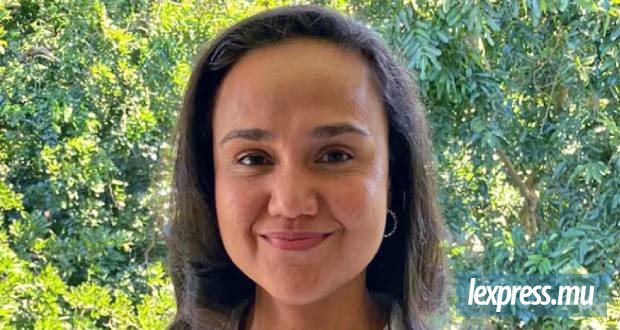
In her contribution to ?Poverty in Mauritius ? An agenda for reflection and action?, Manisha Dookhony explains that women are an increasingly important feature of the economic landscape. ?In the past three decades, we have seen women coming out of poverty through the export-oriented industrialization process.
We have also seen many of them losing their jobs as a result of factory closures.? By the same token, women should have greater sway in the elaboration of the country?s policies. Women are often more deeply affected by bread and butter issues like poverty, health and education than men. They should thus be involved in the decision-making processes that govern these issues.
The question now is: how disgruntled do Mauritians have to become with the current crop of politicians before they begin demanding more women in politics?
Publicité
Publicité
Les plus récents