Publicité

Road safety: an illusion?

?The road that kills??, quite a common headline in our local newspapers? so much so that there is the danger of overlooking the inherent message. The increasing number of road accidents and, more important, the number of victims sends the alarm siren screeching. Who is to blame? Are there any solutions?
Socio-economic development inevitably results in an increased traffic flow. The growing number of vehicles and new social requirements have solicited better road infrastructure. The authorities have constantly invested millions in road development but, despite this commendable attempt to modernise the network, the country has been an impotent witness to the death toll on our roads.
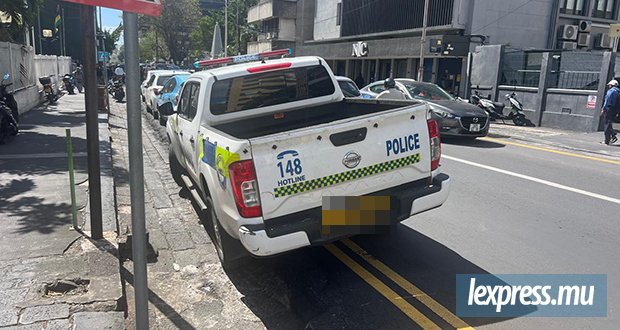
Since its creation in 1988, the Road Safety Unit has carried out many media campaigns over the country to sensitise the population. From traffic playgrounds to video-clips, various media have been used to educate the public. This unit also carries out controls with radars, breathalysers and regular checking of vehicles. Patrolling and wheel-clamping are also common activities.
Speeding was considered to be the main reason for road accidents. Not only are the occupants of these vehicles at risk, but it endangers other vehicles and of course pedestrians. Indeed, any attempt to bypass the highway code increases the risk of an unfortunate incident, whether on the part of the vehicles or pedestrians themselves.
The faulty condition of vehicles has been a cause of concern. Despite regular checks, there are vehicles sporting worn-out tyres, inefficient brakes or leaking engines looming on the roads. Unfortunately the loopholes in our system put at risk the lives of others. Imposing fines was supposed to act as a deterrent ?
Nowadays the more fashionable hazard has become the use of the mobile phone while driving. The authorities claim that the concentration of the driver is divided between the road ahead and the person he is speaking to. We have also seen other adventurous drivers juggling with food at the driving wheel.
If the blame can, so far, be conveniently put on road users, it is significant to consider the condition of roads as well. The Infrastructure ministry has set up numerous units and advisory committees to reinforce safety and improve road conditions. It is high time that figures reflecting the number of victims go beyond scoop statistics presented in meetings or sensational headlines in studies or in newspapers. The public requires practical measures; it definitely wants to see its tax money invested in its safety. If projects become hostages of red tape or political decisions, then the heavy toll will continue.
Various solutions have been proposed and implemented. But at times the enthusiasm of parallel projects overlooks road hazards like road signs becoming pale and distorted under harsh climatic conditions. It is undeniable that law enforcement, at all levels, would be an important step in the right direction.
The situation, nevertheless, remains alarming. Over last weekend the road claimed at least four victims and it seems it is waiting for its next one?
Publicité
Publicité
Les plus récents