Publicité

SADC under close watch

Politics is likely to have it over economics tonight at the International Conference Centre in Grand-Bay when the Heads of State and government meetings comes to a close. The summit builds on the report prepared by the Council of ministers that has been deliberating last week at the same venue.
The meeting provides the block with a golden opportunity to do some serious soul searching. SADC has had its achievements and shortcomings during its past ten years of existence. It has had an impact on a number of political, economic, social, human development and cultural spheres of its 13 member-states.
Progress in trade liberalisation in the SADC zone has been noteworthy. The SADC Trade Protocol that aims at lowering tariff barriers to imports from member-countries is currently subject to a mid-term review by the heads of States and governments at Grand-Bay. There is also an ambitious road map that charts the way to a free trade area in 2008 and a customs union in 2010.
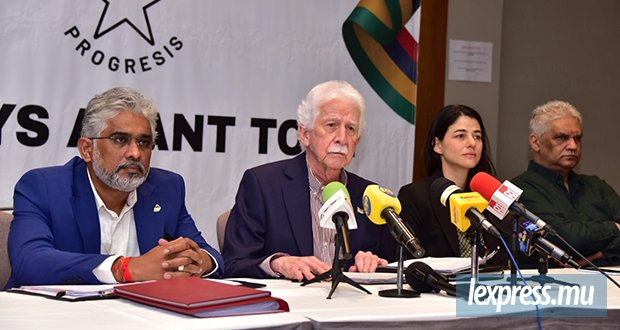
The mid-term review is crucial to the success of the trade agreement so that its impact is more visible to businesses. ?There is growing expectation on the part of our economic operators for the benefits of the SADC Trade Protocol to be more forthcoming,? remarked prime minister, Paul Bérenger, during his opening speech yesterday as he was sworn in as chairman of the Southern African club of Nations.
But issues relating to democracy, rule of law, human rights, civil liberties, good governance and political stability are attracting particular attention from the international community. SADC is standing a huge credibility test over Zimbabwe. The Western world, particularly, has accused SADC of playing soft over the Mugabe regime abuses of political and civil rights. SADC leaders refute these charges and point to the fact that the summit is expected to adopt common electoral rules that are of particular relevance to Zimbabwe.
?We, heads of states and governments here gathered, have a duty to see to it that all elections taking place in our region later this year, in 2005 and thereafter do fully conform to these democratic prescriptions to which we are committing ourselves? commented the Mauritian prime minister in the form of a pledge.
The United States (US) and the European Union (EU) have both severed relations with SADC due to the latter?s perceived inability to deal firmly with Mugabe on the grounds of democracy, political freedom and the rule of law. Unless, the Grand-Bay summit comes up with bold initiatives, the organization might jeopardize its chances to be accepted as a credible interlocutor at international level.
A number of other daunting tasks await the block. SADC is ripe for reforms. Many an observer apprehends that the organization develops into a heavy body of protocols if it does not urgently address its bureaucracy. Dr. Prega Ramsamy, SADC?s executive secretary, made it a point yesterday to highlight the issue of implementing the protocols at national level. ?(?) We need a structured audit on the implementation of our protocols with a view to identifying the nature of the constraints faced by member- states in this area.?
The block has undergone many changes over the past years, but further transformation is needed to fulfill its missions as envisioned in its blueprint, the Regional Indicative Strategic Development Plan (RISDP). This plan aims at guiding the organisation for the next 15 years along the path of integration and poverty reduction, among others.
There are many other genuine concerns about SADC?s mission. Many, including Mauritius, fear that South Africa, the continent?s main economic powerhouse, might be using SADC trade and investment rules to bully other member-states. Although this concern about dominance is hardly expressed in official public forums, the issue is hotly debated in the corridors of conferences.
South Africa, as opposed to most member-countries, has sufficient clout to endorse an aggressive process of trade liberalisation. No wonder that Mauritius chose not to be part of the SADC group as regards the forthcoming negotiations with the European Union (EU) under the Cotonou Agreement. South Africa is a leader among the largest developing countries league. It is not seen as a reliable supporter to the cause of the poor and small developing economies in the ongoing process of trade negotiations at several levels including the World Trade Organisation (WTO). At the same time, Mauritius wants to see SADC playing a more supportive role in trade negotiations at EU, WTO and US levels.
<I>?The United States and the European Union have both severed relations with SADC due to the latter?s perceived inability to deal firmly with Mugabe on issues of human rights.?
Publicité
Publicité
Les plus récents