Publicité
Plumes engagées
World Book and Copyright Day
Par

Partager cet article
Plumes engagées
World Book and Copyright Day

■ Rukhsar Mutty
À l’heure du tout à l’image et du buzz sans suite, «l’express» souhaite faire découvrir la plume de poètes, de chanteurs, d’écrivains et de tous ceux qui jettent leur âme sur le papier, et qui mettent en mots des réflexions profondes.
On World Book and Copyright Day, engengagées we celebrate more than books – we recognise what they hold, and what they give us. As an author, this day means a lot – but it also makes you think. We keep writing, yet fewer people seem to slow down and read.
Writing is not just expression. It is a way of holding on. Every page carries something that could easily be forgotten – an experience, a feeling, a truth. As writers, we’re not just telling stories; we’re trying to keep things from being erased.
In Mauritius, this is becoming hard to ignore. Reading is still present but often limited to what is required – for exams, for school, for work. Outside of that, books are slowly being replaced by faster, easier content. We scroll more than we sit. We skim more than we reflect. And somewhere along the way, reading stopped being a habit and became an effort.
This is not just about preference. It affects how we think. Reading builds patience, depth, and the ability to question. Without it, we risk becoming passive consumers of information rather than active thinkers. A society that reads engages. A society that does not begins to lose that edge.
As writers, we feel this shift. Writing is not only about expression – it is about being heard. There is a quiet fear that words are being produced faster than they are being absorbed. That books are being written into a space where fewer people are willing to stay long enough to understand them.
But this is not irreversible.
If reading is declining, then it must be encouraged – intentionally.
It starts at home. Children who see books as part of everyday life are more likely to read beyond school. It continues in classrooms, where reading should not only be tied to exams, but also to curiosity and imagination. Teachers have a powerful role here – not just to assign reading, but to make it meaningful.
Access is another issue. Books need to be visible and available. Public libraries, community reading spaces, school initiatives. Local authors also need platforms. When people see stories that reflect their own culture, language, and reality, reading becomes more relatable.
We also need to rethink how we present reading in a digital age. Instead of competing with screens, we can use them – book clubs online, short-form content that leads people back to books, discussions that make reading feel current and relevant.
And then there is the question of authors’ rights. Copyright is often seen as a technical issue, but it is fundamental. It protects the time, effort, and identity behind every piece of writing. If we want more writers, we must ensure their work is respected and not easily taken or reproduced without recognition.
To write is to put something of yourself into the world. To read is to meet it halfway.
On this day, the message is simple. If we want a society that thinks, questions, and grows, we cannot afford to let reading fade quietly. It has to be encouraged, supported, and normalised again.
Because in the end, books do more than tell stories. They shape how we see the world – and how we understand ourselves.
 Bio
Bio
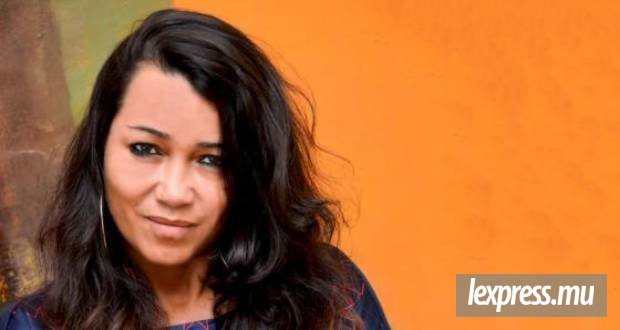
Rukhsar Mutty
Through her writing, she gives voice to the pain, loss, and grief experienced by women and children in a world increasingly driven by modernity. she is also the author of the book “Tears and Droplets of Rain”.
Publicité
Publicité
Les plus récents