Publicité
African Island States
Former Bank of Mauritius Governor Harvesh Seegolam calls for fairer financing
Par

Partager cet article
African Island States
Former Bank of Mauritius Governor Harvesh Seegolam calls for fairer financing
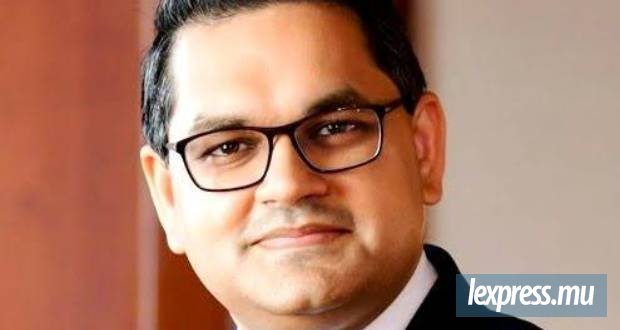
Former Bank of Mauritius Governor Harvesh Kumar Seegolam (inset photo) has urged international financial institutions and investors to rethink how they assess African island economies, arguing that many small island states face borrowing costs that exceed what their economic fundamentals justify. Speaking virtually at a United Nations Economic Commission for Africa (UNECA) workshop on credit ratings, resource mobilization and climate financing on June 12, Seegolam said conventional sovereign-risk models often fail to capture the realities facing island economies.
“Island states with perfectly sound fundamentals routinely face wider spreads, shorter tenors and thinner order books than continental peers of comparable credit quality,” he said. “The residual – the part the textbook does not explain – is structural. Size, distance, concentration, climate exposure and illiquidity are priced by markets, often, I would submit, unfairly.” Seegolam argued that the cost of capital has become a major obstacle to climate resilience and development.
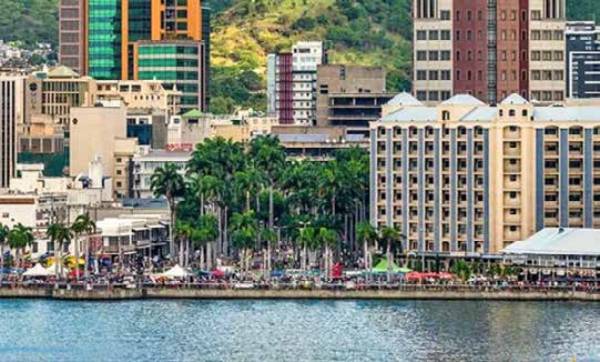 Mauritius
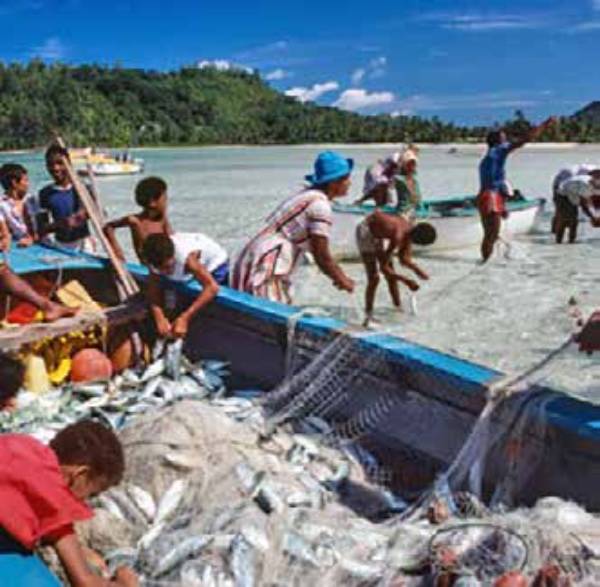 Seychelles
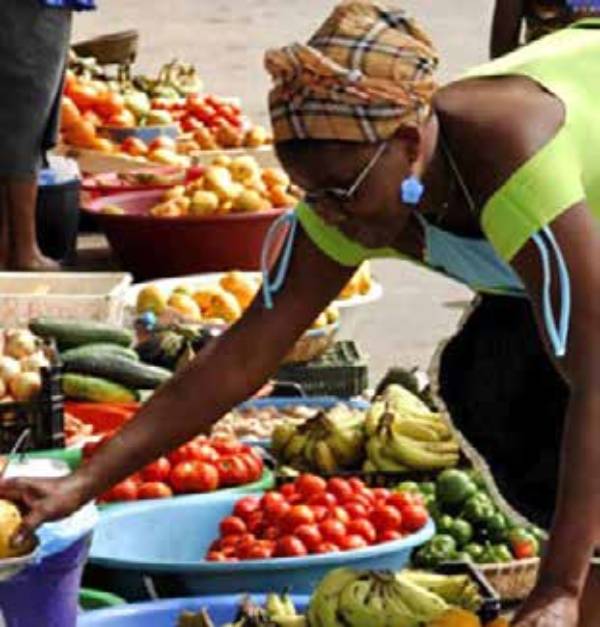 Cabo Verde
Wealthier islands such as Mauritius, Seychelles and Cabo Verde often lose access to concessional financing because of their income levels being highly vulnerable to climate shocks.
“One hundred basis points on a ten-year instrument is not a decimal in a spreadsheet,” he said. “For a small state it is the difference between the sea wall built and the sea wall deferred.”
Drawing on the experience of Mauritius, the former governor emphasized the importance of strong institutions, credible monetary policy and transparency in attracting investor confidence. He described macroeconomic stability as a “credibility chain,” adding that investors ultimately judge the institutions that produce stability rather than stability itself. He also highlighted the growing burden climate change places on island nations.
Wealthier islands such as Mauritius, Seychelles and Cabo Verde often lose access to concessional financing because of their income levels despite being highly vulnerable to climate shocks. “Each disaster is reconstructed with debt; the debt widens the risk premium; the premium raises the cost of the next reconstruction,” he said. “That is the climate-debt spiral, and it is not a metaphor — it is a pricing mechanism.” Seegolam called for the operationalization of the United Nations’ Multidimensional Vulnerability Index, expanded access to climate financing and greater use of risk-sharing instruments.
“Do small island states pay more than their fundamentals warrant?” he concluded. “The honest answer is yes. Today. The better answer is that the gap between what we pay and what we deserve to pay is, to a far greater degree than is commonly believed, ours to close.”
Publicité
Publicité
Les plus récents