Publicité
Doctors in Politics: The Mauritian Laboratory for Democratic Leadership
From Clinic to Cabinet: Why Medical Expertise Matters More Than Ever in Small-Island Governance
Par
Partager cet article
Doctors in Politics: The Mauritian Laboratory for Democratic Leadership
From Clinic to Cabinet: Why Medical Expertise Matters More Than Ever in Small-Island Governance
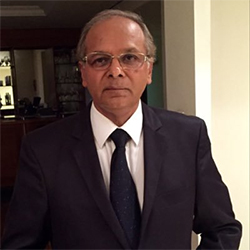
By Dr Harry Gopal, Consultant General and Gastroenterology Surgery; MBBS (Bombay); MCPS (Med); MS (General Surgery); DTMed (Glasgow); AEUC Diving/Hyperbaric Med; PG Dip Obesity Med; MACG (Gastroenterology); MBA (Healthcare Management, UK); Member—American College of Gastroenterology; Member—Société Nationale Française de Gastroentérologie
The White Coat in the Chamber
In the corridors of power across the globe, a quiet revolution is taking place. From Westminster to Washington, from New Delhi to Port Louis, physicians are trading their stethoscopes for gavels, their operating theatres for parliamentary chambers. This migration from clinic to cabinet represents more than individual career choices—it reflects a fundamental shift in how societies understand the relationship between health and governance.
The World Health Organisation now speaks routinely of the "political determinants of health," acknowledging that the most powerful influences on human wellbeing are decided not in hospitals but in the halls of power. Housing policy determines respiratory health. Transport decisions shape injury rates and air quality. Food regulations influence diabetes and cardiovascular disease. Tax policy affects access to healthcare. In this context, the presence of medically trained minds in government is not merely helpful—it is essential.
Nowhere is this phenomenon more pronounced or more revealing than in Mauritius. This small island nation of 1.3 million people has become an inadvertent laboratory for doctor-politicians, offering both compelling successes and cautionary tales that resonate far beyond its shores. With Dr Navinchandra Ramgoolam, a qualified physician, recently sworn in as Prime Minister for his fourth term following a landslide electoral victory, and a Cabinet that has consistently featured medical professionals across diverse portfolios, Mauritius provides unique insights into how clinical training can enhance—or complicate—democratic governance.
The Mauritian experience is particularly significant because it spans generations and political parties. From Sir Seewoosagur Ramgoolam, the founding Prime Minister who was also a physician, to the current configuration featuring doctors in key ministries, this island democracy has maintained an unusually high concentration of medical expertise in government. This continuity offers rare longitudinal data on how medical training interacts with political leadership over time.
The Scientific Foundation of Democratic Decision-Making
The case for doctors in politics rests on more than public trust. However, physicians consistently rank among the most trusted professionals globally, with recent Ipsos data showing doctors maintaining top positions in credibility rankings across diverse societies. Medical training instils a particular cognitive framework that translates remarkably well to policymaking: the habit of evidence-based decision-making, comfort with uncertainty, systematic risk assessment, and the discipline to monitor outcomes and adjust course when evidence changes.
Consider how this mindset manifests in practice. When a doctor encounters a patient with complex symptoms, they follow a structured approach: gather comprehensive history, examine systematically, form differential diagnoses, test hypotheses, implement treatment, monitor response, and adjust therapy based on results. This methodology—hypothesis generation, evidence collection, intervention testing, outcome measurement—is precisely what effective governance requires. Yet, it's rarely taught in law schools or business programmes that traditionally produce political leaders.
The clinical perspective also brings comfort with complexity and uncertainty that is invaluable in political contexts. Doctors routinely make consequential decisions with incomplete information, weighing probabilities and balancing competing risks. They understand that perfect knowledge is rarely available, but that action cannot be indefinitely delayed. This cognitive stance—decisive yet humble, confident yet willing to revise when new evidence emerges—represents an ideal rarely achieved in political discourse.
Furthermore, medical training emphasises systems thinking in ways that prove crucial for governance. Physicians learn to see the human body as an integrated system where interventions in one area produce effects throughout the whole. A cardiologist understands that heart disease is connected to kidney function, diabetes management, exercise capacity, mental health, and social circumstances. This holistic perspective translates directly to policy challenges that similarly require understanding complex interconnections across seemingly separate domains.
The Current Mauritian Configuration: Democracy in Action
The present political moment in Mauritius offers a fascinating real-time case study of medical leadership in democratic action. Dr Navin Ramgoolam's return to the Prime Minister's office in November 2024, following his Alliance du Changement's crushing electoral victory of 60 out of 62 seats, represents more than a political comeback—it embodies the electorate's confidence in medically-informed leadership during challenging times.
Dr Ramgoolam's medical qualifications from Ireland—LRCP&SI from the Royal College of Physicians of Ireland and the Royal College of Surgeons in Ireland—provide more than credentials; they represent a foundation in evidence-based thinking that, his supporters argue, has consistently informed his approach to governance across three previous terms spanning two decades. His understanding of diagnostic reasoning, systematic problem-solving, and outcome measurement has shaped policy approaches from economic development to social welfare programmes.
The current configuration is particularly intriguing because it demonstrates how medical training can enhance leadership effectiveness even in portfolios far removed from traditional healthcare. This principle is exemplified most clearly in the role of Dr Arvin Boolell, whose current position as Minister of Agro-Industry, Food Security, Blue Economy and Fisheries might seem distant from his Dublin medical training, yet his approach to these complex challenges reflects distinctly clinical thinking patterns.
Dr Boolell's recent initiatives reveal how medical training informs policy development across diverse sectors. His announcement of Rs 300 million investment in cold storage facilities at the National Wholesale Market demonstrates a systematic approach to addressing multiple interconnected problems: reducing post-harvest losses, improving food preservation, strengthening food security, and supporting local planters. This multi-target intervention strategy mirrors clinical approaches to complex medical conditions where single-symptom treatments prove inadequate.
Similarly, his recent decision to fix potato prices at Rs 25 per pound while simultaneously announcing plans to recruit agricultural workers from India reflects the medical principle of treating both immediate symptoms and underlying causes. The price stabilisation addresses acute consumer concerns, while labour recruitment tackles the structural workforce shortage that contributes to supply constraints and price volatility.
Dr Boolell's work in developing Mauritius' blue economy potential further illustrates how medical systems thinking applies to economic development. His recent establishment of a dedicated Blue Economy Unit under Dr Sundy Ramah, alongside plans for biodiversity bonds and blue bonds developed with the Bank of Mauritius, represents precisely the kind of integrated, evidence-based approach that medical training encourages. Rather than pursuing blue economy development as an isolated initiative, he's creating institutional infrastructure, financial mechanisms, and legislative frameworks simultaneously, much as a physician would address multiple risk factors when treating complex chronic disease.
The Minister's recent engagements with European Union officials on illegal fishing, his collaboration with ENL Group on tea cultivation using Kenyan expertise, and his initiatives to modernise port security all reflect systematic approaches to complex challenges that benefit from medical training's emphasis on comprehensive assessment, evidence-based intervention, and continuous monitoring.
The Jagutpal Model: Psychiatric Insight in Health System Leadership
The tenure of Dr Kailesh Jagutpal as Minister of Health and Wellness from 2019 to 2024 provides another compelling example of how specialised medical training enhances governance effectiveness. Dr Jagutpal's background as a psychiatrist—with medical training at Patna Medical College and Hospital in Bihar, India, followed by psychiatric specialisation at Banaras Hindu University—brought unique perspectives to health system leadership that extended far beyond traditional administrative approaches.
Psychiatric training, with its emphasis on understanding complex, multifactorial problems and designing comprehensive treatment approaches, proved particularly valuable in addressing Mauritius' health challenges. Dr Jagutpal's recognition as African Public Health Leader of the Year in 2024 reflected achievements that demonstrated how psychiatric insights into human behaviour, social determinants, and system dynamics could enhance population health strategies.
Under his leadership, Mauritius launched several critical initiatives that reflected psychiatric understanding of comprehensive care: the National Cancer Control Programme recognised that cancer prevention and treatment require addressing multiple social, economic, and cultural factors; the National Action Plan on Breastfeeding acknowledged the complex interplay of medical, social, and economic factors that influence maternal and child health; and the National Action Plan on Sexual and Reproductive Health demonstrated understanding that reproductive health outcomes depend on education, social attitudes, healthcare access, and policy frameworks working in concert.
Dr Jagutpal's work with the WHO on the Biennial Workplan 2024-2025 further illustrated how psychiatric training's emphasis on systematic assessment and comprehensive intervention planning enhanced international health cooperation.
His approach to strengthening health system resilience during the COVID-19 pandemic reflected psychiatric understanding of how crisis affects multiple system levels simultaneously and requires coordinated responses addressing immediate needs while building long-term capacity.
The former Minister's background as Chairman of the Medical Council of Mauritius from 2016 to 2019 also demonstrated how clinical expertise enhances regulatory effectiveness. His understanding of medical practice standards, professional ethics, and quality assurance proved invaluable in modernising professional regulation and ensuring that clinical governance kept pace with technological and social changes.
The Forensic Mind in Democratic Justice: Dr Satish Boolell's Unique Contribution Perhaps no figure better illustrates the diverse ways medical expertise can strengthen democratic institutions than Dr Satish Boolell, whose trajectory from forensic pathologist to parliamentarian demonstrates how specialised medical knowledge can enhance the foundations of justice itself. His career path—from medical training in Dublin (LRCP, LRCS, LM) through postgraduate forensic medicine in the UK to leading Mauritius' police forensic service before entering the National Assembly—represents a unique form of public service that bridges science and democracy.
Forensic medicine occupies a critical position in democratic societies because it sits at the intersection where scientific evidence becomes the foundation for legal decisions. Dr Boolell's expertise in death investigation, toxicology, and expert testimony provides skills that prove invaluable not only in individual cases but in strengthening institutional capacity for evidence-based decision-making across government.
His continued public education through lectures at the Institute for Judicial and Legal Studies and his books—including "Forensics in Paradise" and "The Scalpel & The Pen"—serve democratic functions that extend beyond traditional political roles. By building public understanding of how scientific evidence works, why chain-of-custody protocols matter, and how expert testimony should be evaluated, Dr Boolell contributes to what might be called "scientific literacy for democracy."
In small democracies like Mauritius, where rumours can travel faster than facts and where informal networks often influence formal decision-making, this kind of scientific literacy becomes particularly valuable. Dr Boolell's work helps establish cultural expectations for evidence-based reasoning that strengthen democratic discourse beyond the courtroom.
His forensic background also provides unique insights into policy areas where scientific evidence intersects with public safety and justice. Road traffic safety, workplace safety regulations, environmental health standards, and public health emergency response all benefit from forensic perspectives on how evidence should be collected, analysed, and interpreted for policy purposes.
The Ramgoolam Dynasty: Medical Training Across Generations
The Ramgoolam family's role in Mauritian politics provides unique insights into how medical training influences political leadership across generations and changing contexts. Sir Seewoosagur Ramgoolam, the founding Prime Minister and a physician, established precedents for evidence-based governance that influenced the country's institutional development. His son, Dr Navin Ramgoolam, has now served as Prime Minister in four separate terms, providing a longitudinal perspective on how medical training adapts to evolving political challenges. This generational perspective reveals both the strengths and limitations of medical training in political contexts. The elder Ramgoolam's approach to independence politics and early nation-building reflected medical values of careful diagnosis, systematic intervention, and long-term care that proved valuable in establishing stable democratic institutions. The younger Ramgoolam's leadership through economic transitions, global financial crises, and social changes demonstrates how medical thinking adapts to different historical moments while maintaining core commitments to evidence-based decision-making.
Dr Navin Ramgoolam's current term, beginning at age 77 with extensive experience across multiple decades, provides a unique opportunity to observe how medical training influences leadership style, policy priorities, and crisis management over extended periods. His recent appointments, including the designation of Rama Krishna Sithanen as central bank governor, reflect medical approaches to institutional management that prioritise expertise, track records, and systematic approaches to complex problems.
The Prime Minister's handling of the Chagos Archipelago agreement with the United Kingdom, which he criticised as a "sellout" and subjected to independent review upon taking office, demonstrates how medical training's emphasis on second opinions and evidence review translates to foreign policy and international negotiations.
Global Context: The International Movement of Doctor-Politicians
Mauritius' experience with doctor-politicians gains additional significance when viewed in the global context. Research from the United States suggests that physician-legislators, while numerically small, often demonstrate higher effectiveness in health policy development and implementation. Studies tracking legislative outcomes show that states with higher proportions of physician-legislators tend to implement more evidence-based health policies and achieve better population health outcomes over time.
Similar patterns emerge across diverse political systems. In the United Kingdom, doctor-MPs have played disproportionate roles in health policy development and medical regulation. In India, physician-politicians have been instrumental in developing public health infrastructure and medical education systems. In various African countries, doctors have provided crucial leadership during health crises and system development phases.
However, international experience also reveals essential limitations and risks. Analysis of physician-politicians across multiple countries suggests that medical training provides most value when combined with strong institutional frameworks that manage conflicts of interest, when physicians work collaboratively with experts from other disciplines, and when they maintain appropriate humility about the boundaries of their expertise.
The global evidence suggests that the most effective physician-politicians are those who apply medical thinking processes—systematic assessment, evidence-based intervention, outcome monitoring—while recognising that political challenges often require expertise beyond medical training. This balance between clinical confidence and professional humility appears crucial for success across different political systems and cultural contexts. Risks and Challenges: Learning from Experience
The Mauritian experience also illuminates the vulnerabilities that arise when doctors enter politics, providing lessons for other democracies considering how to integrate medical expertise into governance. The most apparent concern involves conflicts of interest, which can be particularly acute in small markets like Mauritius, where many senior doctors maintain private practice interests, consulting arrangements, or family connections to health businesses.
When physician-politicians make regulatory decisions, procurement choices, or licensing determinations, the appearance of conflict can prove as damaging as actual impropriety. The challenge intensifies in small societies where professional and personal networks overlap extensively, making it difficult to identify truly independent decision-makers for health-related issues.
A more subtle but equally important risk involves technocratic overreach—the assumption that clinical expertise automatically confers wisdom about economics, education, social policy, or international relations. While medical training provides valuable thinking tools that transfer across domains, it does not provide specific knowledge about complex challenges outside healthcare. The discipline that makes doctors trustworthy—acknowledging the limits of their knowledge and seeking appropriate expertise—should guide their political roles as well. Another significant challenge involves the politicisation of medical authority. When physicians use their professional credibility to advance partisan political positions, they risk undermining public trust in both medical institutions and scientific expertise more broadly. International experience suggests that this risk intensifies during crises when medical advice becomes politically contested, as occurred during the COVID-19 pandemic in many countries. Professional identity conflicts represent an additional challenge for doctor-politicians. Medical training emphasises individual patient care, professional autonomy, and clinical decision-making based on personal circumstances. Political leadership requires coalition-building, compromise, and decisions that benefit populations even when they may not serve individuals. Managing these different frameworks requires considerable sophistication and self-awareness.
Institutional Safeguards: Building Systems for Success
Based on both international best practice and Mauritian experience, several institutional modifications could enhance the contribution of doctor-politicians while mitigating associated risks. These recommendations reflect the understanding that individual virtue is insufficient—institutional design must create incentives for appropriate behaviour and constraints against problematic conduct.
Enhanced Transparency and Conflict Management: Mauritius should implement comprehensive, real-time disclosure requirements for all health-sector interests held by ministers and MPs. This system should extend beyond current asset declaration requirements to include professional relationships, consulting arrangements, speaking fees, research funding, and family interests in health businesses. All declarations should be publicly searchable and updated quarterly, with non-compliance triggering automatic parliamentary sanctions.
Procurement decisions require particular attention given their high value and discretionary nature. The government should mandate open contracting protocols for all health-related purchases above modest thresholds, including detailed beneficial ownership information, competitive bidding documentation, and contract performance reports. Independent procurement monitoring, possibly involving civil society organisations, could provide additional oversight.
Professional Standards Integration: The Medical Council of Mauritius should develop specific guidance for physician-politicians that adapts medical professional standards to political contexts. This guidance should address appropriate use of medical credentials in political communication, management of conflicts between clinical and political judgments, and maintenance of professional competency for physicians in political roles.
Continuing medical education requirements for physician-politicians could ensure that their clinical knowledge remains current even as they focus on political responsibilities. This requirement would maintain professional standing while demonstrating an ongoing commitment to evidence-based practice.
Cross-Disciplinary Collaboration: The government should establish formal mechanisms to ensure that health-related policy development incorporates non-medical expertise. Parliamentary health committees should include economists, social scientists, patient advocates, and community representatives alongside medical professionals. This diversity prevents medical perspectives from dominating policy discussions while ensuring that clinical insights inform broader decision-making.
Similarly, ministries headed by physicians should include senior staff with complementary expertise. The current practice of appointing junior ministers and permanent secretaries with different professional backgrounds provides a good foundation that could be systematised and strengthened.
Economic and Social Impact: Measuring Outcomes
The ultimate test of doctor-politicians lies not in their credentials but in their policy outcomes. Mauritius provides interesting data for this assessment, given the country's sustained performance across multiple health and development indicators despite limited resources and challenging geography.
Mauritius has achieved significant improvements in life expectancy, infant mortality, and disease prevention while maintaining universal healthcare access and relatively strong health system performance. The country's recent policy innovations—including aggressive sugar taxation, comprehensive tobacco control, and modernised food safety regulation—reflect the kind of evidence-based approaches that medical training encourages.
Economic indicators suggest that medically informed governance can support broader development goals. Mauritius has maintained middle-income status, diversified its economy beyond traditional sugar production, and developed significant financial services and tourism sectors. While many factors contribute to this performance, the presence of systematic, evidence-based thinking in government policymaking appears to provide measurable benefits.
The country's handling of the COVID-19 pandemic offers another test case. Under Dr Jagutpal's leadership, Mauritius implemented early border controls, systematic testing and contact tracing. It coordinated health system responses that kept infection and mortality rates relatively low compared to regional and global averages. While the economic costs were significant, the health outcomes suggest that medical expertise in government provided valuable crisis management capabilities.
Future Directions: Policy Innovation and Democratic Excellence
Looking forward, Mauritius has opportunities further to enhance the contribution of medical expertise to democratic governance while serving as a model for other small states and developing countries. Several policy areas offer promise for medical leadership.
Climate change adaptation represents an area where medical understanding of environmental health risks could inform comprehensive policy responses. Rising temperatures, changing precipitation patterns, and increased extreme weather events all carry significant health implications that require integrated responses across multiple sectors. Physician-politicians with systems thinking capabilities could prove particularly valuable in developing these comprehensive approaches.
Digital health transformation offers another domain where medical expertise could drive innovation. Mauritius has made significant investments in e-health infrastructure, but realising the full potential of these systems requires an understanding of clinical workflows, patient safety requirements, and health outcome measurement that medical training provides.
Regional health leadership represents a third opportunity area. As a small island developing state with a strong health system performance, Mauritius could provide technical assistance and policy expertise to other countries facing similar challenges. Physician-politicians with both clinical knowledge and governance experience could prove valuable in these international cooperation efforts.
Conclusion: Democracy as Healing Practice
As Dr Ramgoolam begins his fourth term as Prime Minister, and as Mauritius continues navigating complex challenges of economic development, climate adaptation, and social cohesion, the island's long experiment with medical leadership offers profound lessons for democracies worldwide.
The case for doctors in politics ultimately transcends arguments about individual qualifications or professional competencies. Instead, it reflects more profound questions about how democratic societies can integrate specialised knowledge while maintaining accountability, how technical expertise can inform political judgment without undermining democratic values, and how professional ethics can strengthen rather than substitute for political institutions. Medical training provides valuable tools for democratic leadership: systematic thinking, evidence-based decision-making, comfort with uncertainty, and commitment to service ethics. But these tools only enhance democracy when embedded within institutional frameworks that demand transparency, prevent conflicts of interest, and maintain the accountability that democratic governance requires.
Mauritius has demonstrated that this integration is possible, though not automatic. The island's success in maintaining a stable democracy while achieving significant development outcomes suggests that medical expertise, properly channelled and appropriately constrained, can contribute meaningfully to democratic excellence. The stethoscope and the ballot box need not be in tension. When aligned adequately through thoughtful institutional design, they can serve as complementary instruments of healing—one for individual patients, the other for the democratic body politic itself. Mauritius continues to write this story, offering lessons of hope and caution for democracies seeking to harness expertise in the service of the common good.
Author's Note: Dr Harry Gopal, qualified as a doctor in 1979, has practised in the Ministry of Health until 1992. He resigned from MoH to devote his career to the private sector. He is a practising consultant surgeon in Mauritius with experience in healthcare management and policy. His perspective combines direct clinical experience with observation of health policy development in small island developing states. This analysis reflects personal observation and public information, with the author maintaining appropriate professional boundaries regarding political commentary. ________________________________________References ( abbreviated)
1. Abbasi, K. (2024) 'Doctor politicians: stick to the evidence', BMJ, 385: q1419.
2. African Leadership Magazine (2024) 'Dr. Kailesh Jagutpal Named African Public Health Leader of the Year, February 13.
3. AllAfrica (2025) 'Mauritius: Dr Boolell Reaffirms Commitment to Agricultural Innovation and Sustainability', August 8.
4. Bonica, A., Rosenthal, H. & Rothman, D.J. (2019) 'Physician activism in American politics', PLOS ONE, 14(6): e0215802.
5. Global Finance Magazine (2024) 'Ramgoolam's Comeback Signals New Era For Mauritius', December 4.
6. Government of Mauritius (2024) 'My Cabinet - List of Ministers', Prime Minister's Office, November 29.
7. Ipsos (2024) 'Veracity Index 2024: Trust in Professions Worldwide', London: Ipsos MORI.
8. Lowy Institute (2024) 'Political change in Mauritius carries regional importance – especially for India'.
9. Varma, T. & Goldenberg, M. (2022) 'Physician-Legislators in Federal and State Government in 2022', Journal of General Internal Medicine.
10. WHO Regional Office for Africa (2019) 'Dr L. Musango, WHO Representative in Mauritius, courtesy call to newly appointed Minister of Health and Wellness, Dr Hon. Kailash Jagutpal'.
Full References
1. Abbasi, K. (2024) ‘Doctor politicians: stick to the evidence’, BMJ, 385: q1419.
2. ACP—Crowley, R. et al. (2025) ‘Empowering Physicians Through Collective Action’, Annals of Internal Medicine (ACP position paper).
3. Bonica, A., Rosenthal, H. & Rothman, D.J. (2019) ‘Physician activism in American politics’, PLOS ONE, 14(6): e0215802.
4. GMC (2024a) Good medical practice (in force 30 Jan 2024; updated 13 Dec 2024).
5. GMC (2024b) ‘Doctors taking part in protests or other forms of activism’.
6. GMC (2024c) ‘Good medical practice 2024—overview’.
7. IJLS (2024/25) Course listings (Forensics and Law; Certification of Death).
8. Ipsos (2024a) Veracity Index 2024 (UK).
9. Ipsos (2024b) Global Trustworthiness Index 2024.
10. Kashyap, M. (2024) ‘Addressing the political determinants of health’, British Journal of General Practice, 74(745), p. 359.
11. MCCI (2025) Budget Highlights 2025/26 (sugar-content duty to MUR 0.12/g).
12. MOHW (2020) Health Sector Strategic Plan 2020–2024.
13. MOHW (2021) Mauritius Non-Communicable Diseases Survey 2021.
14. MOHW (2022; 2023; 2024) Public Health (Restrictions on Tobacco Products) Regulations 2022; subsequent updates and public guidance.
15. MOHW (2024) Food Regulations 2024 (GN 142 of 2024).
16. MRA (2025) ‘Excise duty on sugar content of sugar-sweetened products—12 cents per gram’ and related notices.
17. National Assembly of Mauritius (various years) Members’ biodata—Dr Arvin Boolell (MB BCh BAO; LRCSI/LRCPI).
18. OECD (2024) Recommendation on Transparency and Integrity in Lobbying and Influence.
19. PMO (2024) My Cabinet—List of Ministers (29 Nov 2024).
20. PPO (2024) Annual Report 2023/2024; Ministry of Finance (2025) Public Procurement Act 2006 (consolidated as at 21 Jan 2025).
21. Satish Boolell—selected sources: Mauritius Times interview (2012); Nation (Seychelles) interview (2022); IJLS course pages (2024/25); Le Mauricien review of The Scalpel & The Pen (2019).
22. Varma, T. & Goldenberg, M. (2022) ‘Physician-Legislators in Federal and State Government in 2022’, Journal of General Internal Medicine.
23. WHO (2022) Managing conflicts of interest… Geneva: WHO.
24. WHO (2023) Mauritius—Country Cooperation Strategy 2023–2026.
Publicité
Publicité
Les plus récents