Publicité

Climate is changing, minds need to follow

Only someone prone to histrionics or a member of the Bush administration, could deny that weather patterns the world over are becoming increasingly erratic. These meteorological disturbances have severe socio-economic implications for most countries but even more so for Small Island Developing States (SIDS). It is thus fitting that the Intergovernmental Panel on Climate Change (IPCC) chose Mauritius to hold its 25th plenary session.
The IPCC was founded in 1988 by the World Meteorological Organisation and the United Nations Environment Fund (UNEF). According to the deputy director of UNEF?s Environmental Division, its job was to ?assess the literature and estimate implications of greenhouse gases?. Today it has become the world authority on climate change. So much so that its assessment reports, the fourth of which is expected sometime next year, lay the foundations on which its member states build their policy decisions on the matter. Not too shabby, as they say.
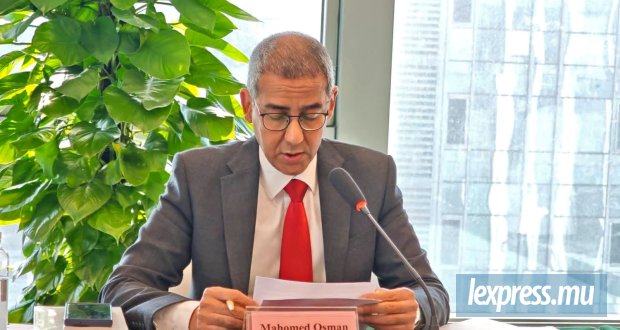
You can thus imagine that the 215 participants from 190 countries who convened at Swami Vivekananda International Conference Centre towards the end of last week had their work neatly cut out for them. One of the main objectives of the session was the adoption of the 2006 IPCC Guidelines for National Greenhouse Gas Inventories, in other words a standardized method for quantifying the amount of greenhouse gases that are released into the atmosphere. Delegates were also entrusted with the mission of discussing the 2007-2009 programme and budget and myriad other tedious tasks.
<B>Empathic plea for the vulnerable</B>
The minister of Environment, Anil Bachoo, hit the nail on the head though when he made an emphatic plea in favour of SIDS. Not only are they most vulnerable to climate change, for geographical and economic reasons, but documentation on climate change in those countries is also the most sketchy. ?Today it is widely acknowledged that climate change and sea-level rise are at the top of the most issues of concern to SIDS. On average, SIDS emit only about 1.5% as much greenhouse gases as industrialized countries do. Yet, SIDS are the ones that are most vulnerable to sea-level rise, extreme weather events and other impacts of climate change, which could be critically dangerous for their economic and social development. I, therefore, make an appeal to the IPCC to provoke in-depth studies on the impacts of climate change that can affect SIDS in the medium and long term.?
The chairman of the IPCC, Dr Rajendra Pachauri, seemed to concur. ?An assessment of all aspects of climate change has special relevance to Mauritius, not only because of impacts of sea-level rise but also because agriculture is extremely important to the economy of this nation. By virtue of its geographical position, Mauritius has a stake in an understanding of the scientific aspects of climate change in this part of the Indian Ocean.?
Simple lip service? We?ll know when the IPCC fourth assessment report is published in 2007.
Publicité
Publicité
Les plus récents