Publicité

Politicians and the art of communicating

Some politicians in Mauritius seem to have an immense problem in communicating their views clearly and succinctly to the public at large. At times, what comes out are angry words followed by precipitous actions. Recently, following a political upheaval, we have had a torrent of declarations by a plethora of politicians from most of the main political parties. They will do well to remember that a simple definition of communication is ?Communication is the art of being understood?. They should also bear in mind this saying when trying to communicate their views ?I keep six honest serving men, they taught me all I know.? Their names are who, what, when, where, how and why: who to say it to, what to say, when to say it, where to say it, how to say it, and why say it.
Too often politicians make speeches containing a large proportion of trite expressions, empty words and meaningless clichés; their speeches are full of spin and little in substance. A gentle reminder is needed that, if they are members of a political party, they should follow the party?s communication structure, which should be based on the following principles: an agreed strategy, selectivity of the target audience, an orchestrated and cohesive presentation, clear allocation of responsibility, who should say what, to whom, when and where.
There are two purposes to communication: instrumental and expressive. The instrumental function involves the sharing of information; it is also called the content dimension of communication. All that is important here is the content shared, hence the importance of knowing what to say and when to say it. The expressive function involves talking of something just because you want or need to. In this case, we tend to say something when we are angry or contented.
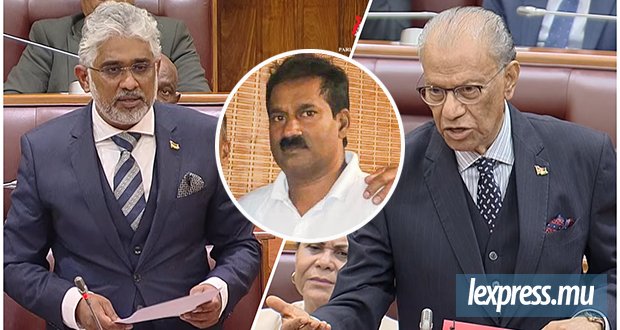
Some politicians tend to say things on the spur of the moment ? a sort of rent a quote politician; they shoot from the hip and invariably put their foot in it. This was demonstrated recently by the spate of politicians who decided to change their political allegiance ? their comments to justify themselves were stereotyped and uninspired, the retorts from their ex-colleagues were equally threadbare and stale. For either side, there seemed to be no cohesion although they were supposed to be singing from the same hymn sheet. I am sure that, since then, some of them must have bitterly regretted what they said.
All politicians will do well to remember that we use two separate languages to communicate, each with its own function. One is the spoken word whilst the other is body language, which can tell a lot about us, our feelings, our attitudes and our whole personality. Too often, you see politicians sitting near their leaders looking very celluloid and shuffling uncomfortably. They need to realise that, by their body language, they are sending a message to their audience.
So the question that needs to be asked is: does it help to project a better image for the party by having the leader surrounded by such a large number of colleagues or not? I will leave you to debate this. All politicians, irrespective of their party, have much to learn in the art of communicating. They need to understand that a good communicator talks with feeling and sensitivity and most of all knows when to stop.
It is clear that some of them have a lot of ground to cover to achieve that objective. We must remember that ?how we communicate determines how we relate. Just as how we relate determines how we communicate?. I hope that all politicians receive this message loud and clear.
<B>Claude CANABADY</B>
Publicité
Publicité
Les plus récents