Publicité

Day care centre for ZEP children

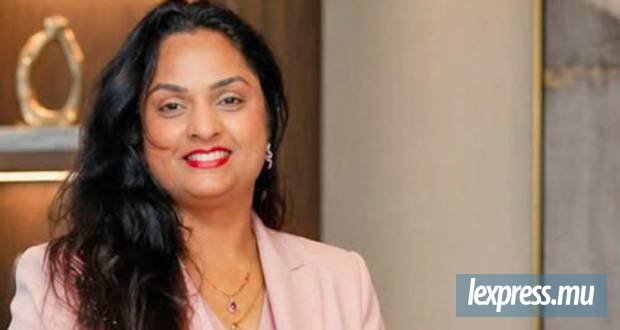
Shireen Dooreemeeah is one of those people who are completely dedicated to their job.Or rather, in her case, to the children she meets in her professional life. Having been a teacher for 25 years, she has been taking care of pupils in low achieving ZEP schools since 1999.
Thanks to her long experience in the field, she was fortunate enough to be sent by the “League for the Exchange of Commonwealth Teachers” (LECT) to London for a training course for three and a half months. “Penny Krucker, Gillian Moyes and Karina Schroeder from LECT have spared no effort to make the leadership programme a success,” Shireen says. The Commonwealth Scholarship Commission and the British Council are also responsible for this scholarship.
As soon as she came back to Mauritius, Shireen started to see how a “Day-care centre” could help these children in their daily lives and would very much like implement such a centre in every poor region. Children do not all have the same chance in life but Shireen thinks “every child must be given the chance to fulfil their potential by reducing levels of educational failure, ill health, substance misuse, abuse and neglect, crime and anti social behaviour among children and young people.”
<B>Children left to their own devices</B>
She has been working with children from unfavourable economic backgrounds due to poverty and broken families for five years now. What she has been able to see during her time in all these ZEP schools is mainly the fact that these children are often left to their own devices after school until parents come back from work. “When it is time to go home after school hours – instead of being at risk from abuse and violence – instead of begging and stealing on the road and in supermarkets – these children can go to the day-care centre. When their parents return from work, they can collect their wards safely there,” she explains.
She has even started to negotiate with the Gloucestershire Education Authority where she followed a leadership course to obtain computers for these day-care centres. “The project is on the right track,” she says. The aim is also to have a gymnasium and a library in each centre. She now needs some help from the authorities to set up the project.
The officers in charge of the Commonwealth Fellowships Programme want to make sure this training will be in the country’s interest; thus they encourage such projects by their participants. However, the programme also aims at “enhancing the skills and experience of emerging education leaders and through this to impact positively on the quality of teaching and learning in schools across the Commonwealth.”
Because the Commonwealth is conscious that quality education is a “key tool in tackling poverty and strengthening civil society in developing countries.” With its 70 million children out of school, the organisation is very concerned by this issue and is trying to find ways of reversing the trend – with such programmes.
Shireen is evidently very aware of all these issues. She is conscious of having learnt a lot about the way these children should be taught and is grateful towards all the organisations for having been given the chance to gain valuable experience. These children do not have a “traditional” background and this should be taken into account by teachers. The main problem may actually be a lack of training for teachers who do not really know how to deal with these specific cases. They were trained to teach in more traditional types of schools and may not have been prepared to face such difficulties!
Publicité
Publicité
Les plus récents