Publicité
Small planters rejoice while sugar industry worries
Par

Partager cet article
Small planters rejoice while sugar industry worries

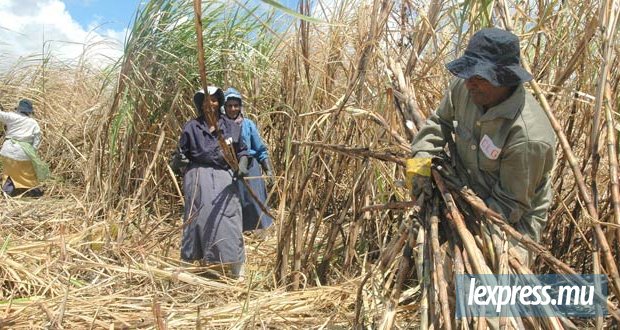
The government is continuing its moves towards democratisation of the economy. The latest decision concerning this goal has been proposed by the minister of Agro-Industry, Arvind Boolell. The amendments to the Sugar Industry Efficiency Act, which should make the conversion of agricultural lands into residential ones easier for small planters, will be examined in Parliament today. The sugar industry is divided on the issue.
Small planters are rejoicing about the possibility of transforming their lands more easily as fewer administrative procedures will be required and they will benefit from fiscal exemptions. Thanks to the amendment, the land conversion permit will no longer be needed for agricultural land of up to one hectare. All taxes linked to the conversion (morcellement, transfer, profits and transcription) should also be abolished if the Parliament votes for the amendment.
The law will, however, require that the lands are located in a development area and that they are not provided with any irrigation system. Moreover, the person wishing to transform his/her land must have been the owner of the land before the 30th of September 2005. The ministry of Agro-industry has planned to open a one-stop shop to deal with all the requests and analyse them.
Saving planters from crisis
With such a bill, the government is not only keeping part of its promise to make land accessible to all, but it is also trying to save small planters from the consequences of a crisis in the sugar sector. Small planters will not be able to survive the coming reform of the sugar protocol and the reduction of prices announced by the EU.
In such an international context, sugar planters will have to join together to survive but small planters won’t be able to group because of their difficult financial situation and their geographical position. So the government had to find a way of helping them. This one-off deal allows them to stop growing sugar cane without losing too much money. According to the ministry, this new legislation will concern about 10,000 planters of the 29,000 in the country. 30,000 out of 50,000 acres available do not contain any irrigation system and are located near residential and commercial areas.
Not much enthusiasm
Small planters are very happy about this decision and are eagerly waiting for the bill to become effective. “No doubt this is a step in the right direction. Up to now, the conversion of a plot of land was really hard to do. This decision will make things much easier. I believe it will also have a positive impact on the price of land for the public even though I don’t think there will be so many conversions,” explains the president of the Mauritius Cooperative Agricultural Federation, Guirdharry Juggessur.
But the sugar industry is less enthusiastic. Many sugar factories had to start a land development business to refund the debts contracted because of the Voluntary Retirement Scheme (VRS), which has cost them Rs 3.2 billion. In fact, the sugar industry had realised that small planters would not be able to survive with the coming difficulties in 2001. So they implemented a scheme to allow some planters to take early retirement and became owners of plots of land at a preferential cost. But this latest decision by the government will make the sale of land even more difficult for the sugar industry. “We believe that the market for land is almost at a standstill,” says Patrice Legris, the director of the Mauritius Sugar Producers’ Association.
The industry already knows it will have to find other ways of financing its projects. The sale of land will not be there to help for long…
Publicité
Publicité
Les plus récents