Publicité
Interview with…
Shiv Khera: “A winner’s mindset is a blend of character and competence”
Par

Partager cet article
Interview with…
Shiv Khera: “A winner’s mindset is a blend of character and competence”
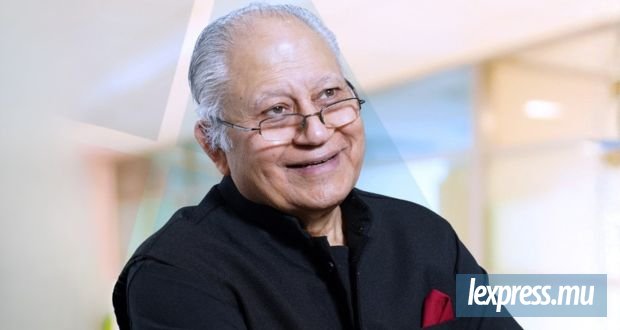
Shiv Khera, author and leadership expert.
The Mauritius Institute of Directors (MIoD), in collaboration with its strategic partner Excelerate Consulting, will host Indian bestselling author of “You Can Win”, Shiv Khera, in Mauritius from the 12th to the 16th of October. His visit comes as leaders across businesses and organisations face the challenge of turning setbacks into opportunities for renewal and growth. The highlight will be the Leadership Conference, “Turning Setbacks into Comebacks: The Winner Mindset”, bringing together directors, business leaders and professionals from across sectors. Ahead of the conference, Shiv Khera answered l’express’ questions from India on what makes a great leader, why persistence matters, and the importance of character, competence and values in building organisations that can succeed and withstand setbacks.
⚫ You have built an international career helping others succeed. Which experience most challenged your own understanding of success and how has it shaped the guidance you share with business leaders today?
A lot of research has gone into the topic of success and failure and it has been found that all successful people have some common qualities or attributes, and if we follow them, we are more likely to succeed. Similarly, there are some common behaviours associated with failure and if we avoid them, we are less likely to fail.
⚫ Through your work with organisations globally, what have you learned about why some businesses struggle to progress despite having talented people and a clear strategy?
All over the world, we find that we don’t just have business problems; we have people problems. And when we take care of people problems, most of our business problems are automatically resolved. Throughout history, people have been hired for their skills but let go for their behaviour – not only as employees but also as vendors and consultants.
To succeed in life, we need two things: skill and will. One without the other will not do the job, but between the two, will is a little more important than skill. What is the difference between skill and competence? Skill is ability. Competence is ability along with willingness and desire to do the job. There are many skilled people who are not necessarily competent. There is no substitute for hard work. Hard work will beat talent anytime if talent is not willing to work hard.
⚫ Persistence is often regarded as a leadership strength. How can leaders tell when to keep pursuing their current approach and when it is time to pivot or change direction?
Success is a combination of many qualities but if I had to rate any one as most important, it would be persistence. Why? Because persistence is the ability to bounce back. Many success stories are stories of great failure. Success is not measured by how high we go up in life but by how many times we bounce back after we fall down. Success is not measured by how we compare to others, but by how we do as compared to what we are capable of doing. When athletes compete against themselves, they better their own records.
⚫ Leaders want their people to show initiative and take ownership of their roles. What must executives be prepared to change in their own behaviour, and in the working environment they create, to make that autonomy possible?
Great leaders lead by example. No leader has a ready-made team. They create a winning team by mentoring and training their teams in positive behaviour. They need to walk their talk.
⚫ Boardrooms often focus heavily on risk mitigation. How can directors maintain their fiduciary duty of oversight while still fostering the entrepreneurial “winner mindset” needed to pursue bold comebacks?
All leaders, regardless of whether they are directors or not, need to live by their fiduciary duties. Fiduciary responsibilities are based on integrity and leaders’ decisions are guided by values. A winner’s mindset is a blend of character and competence.
⚫ Your upcoming MIoD Leadership Conference in Mauritius is themed “Turning Setbacks into Comebacks: The Winner Mindset”. From a corporate standpoint, what distinguishes an organisation that merely recovers lost ground from one that uses a crisis to build a structurally stronger business?
A winner’s mindset lives by the philosophy of “prepare and prevent” rather than “repair and repent”. Far-sighted leaders do not believe in problem solving only, but also in pre-empting and preventing prob- lems. Because permanent problem-solving is stressful and amounts to firefighting all the time. A good organisation cannot live in damage control mode permanently.
⚫ For a Mauritian director, business owner or professional facing a highly difficult operational situation today, what core question would you encourage them to reflect on before attending the conference on the 16th of October?
I would request professionals to answer the following: please identify three pain areas in your organisation; three possible causes; three possible solutions; and lastly the most suitable solution. And then answer why that solution is the most suitable.
⚫ Many of our readers will know you primarily through the life-changing principles in your book “You Can Win”. Why does joining you live at the Mauritius conference offer an interactive learning experience and how can participants make the most of that opportunity?
My objective in visiting Mauritius is to help leaders achieve growth, sustenance and goodwill and empower them to lead successfully, communicate effectively and manage professionally based on values and ethics.
Publicité
Publicité
Les plus récents