Publicité
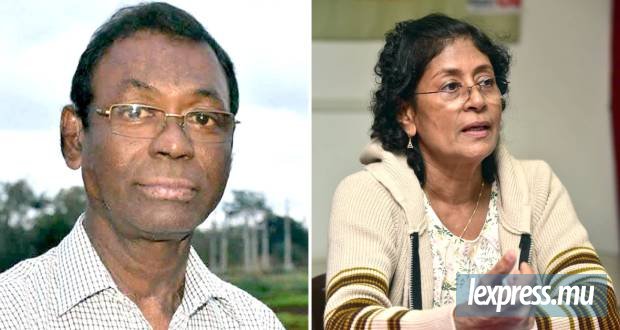
Raj Mudhoo, senior chief executive, ministry of Civil service and Administrative reforms
Par

Partager cet article
Raj Mudhoo, senior chief executive, ministry of Civil service and Administrative reforms

● What is flexitime?
Flexitime is an arrangement whereby employees may, within prescribed limits, chose the time they start and finish work. It therefore involves a core time during which the employee must be in attendance. The average hours per week are unchanged.
● Where are the pros and cons of the matter?
A system of flexitime helps achieve congruence between individual and organisational needs; it helps public officers to better manage the balance between work commitments and family responsibilities. Flexitime may disrupt the flow of work in organisations, characterised by a high degree of interdependence. Moreover, its success depends on a work culture with a high sense of self-discipline. It therefore places the onus on the individual.
● When was it be formally introduced ?
Flexitime has been in force in the public service since January 2004 following recommendations of the PRB Report 2003 and its subsequent report on ?Errors, omissions and clarifications?. The flexible hours of work are between 8.30 and 9.15 and between 15.45 and 16.30 for those working a 5-day week. For those on a 6-day week basis, flexitime is between 8.45 and 9.30 and between 15.30 and 16.00.
However, it does not apply to certain groups of officers due to the nature of their duties: (i) those operating on a shift system, roster basis and staggered hours; (ii) those working in teams; (iii) the disciplined forces; (iv) those providing 24-hour service and (v) teachers (primary/secondary).
● Do you think civil servants support flexitime?
R. A survey has shown that the system is working rather satisfactory. Officers can compensate for their late arrivals or early departures.
● What is the best model for Mauritius?
The system of flexitime introduced in January 2004 is being closely monitored to ensure that organisations and employees alike derive the maximum benefit from it. We cannot say at this stage what is the best system for Mauritius. It is only with experience and adjustments that a system could be devised to meet the exact needs of our civil service.
Publicité
Publicité
Les plus récents