Publicité

Educating the citizens of tomorrow

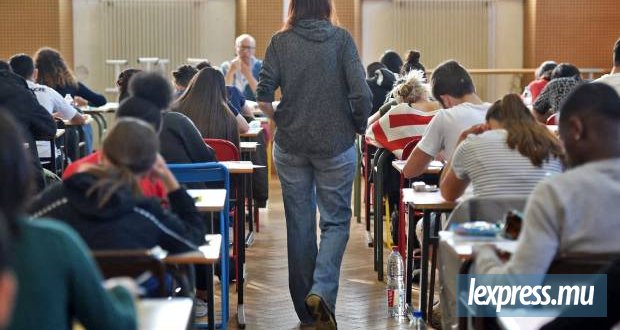
Citizenship education is a new subject on the curriculum of primary schools. Since it is a non-examinable subject, there is no real means of assessing the level of the understanding of students or that of the teaching. Barbara Waldis is one of the few people to have studied the teaching of citizenship education. She is at present preparing a post-doctorate thesis on ?Citizenship and multicultural values in Mauritius and Reunion Island.?
?Citizenship education is important because it forges a link between the people of a country and the state. Institutions such as schools inculcate the values and central identity of a nation,? says the anthropologist. While she finds that the introduction of this subject in the curriculum is a good initiative of the ministry of Education, she points out that ?citizenship education implies the personal involvement of the teachers.? She also talks about the importance of long-term teaching of this subject since it is so crucial and some concepts are abstract, so children take time to understand them.
She has gathered a variety of opinions on the multicultural heritage chapter, which caused quite strong reactions from certain socio-cultural groups in 2002, when the first edition of the teaching material was printed. Until now it has aroused the most controversy. ?Some believe that talking about all the festivals as and when they happen contributes to intercultural understanding whereas others think that the material on the festivals should not be taught at all because it reinforces cultural division. Some teachers also made a point of wanting to differentiate between culture and religion.? She adds that the material used is ?very good for teachers, but, without further guidelines, it is up to them to decide how they will transmit the information to children.?
Barbara Waldis wonders whether there is not a trend which exists nearly all over the world today, namely the gap between the inhabitants of a country and the state. ?People consider that the state feels less responsible for them and takes more into account the international constraints of economic globalisation.? Thus there is a stronger need to understand what is happening on a national and international level. Citizenship education could ideally help bridge the gap. ?The subject invites people to contribute, contest and actively participate in civil society. It is crucial but sometimes explosive since citizenship activities can be turned against some state establishments.? Indeed one wonders how far it is in the interest of the state to teach its people to question its values and authority.
But another point should be considered: apparently some teachers in Mauritius are reticent about teaching certain topics, especially human rights, because it may be a threat to their own authority. One might ask where this difficulty comes from: is it related to the fact that teachers tend to focus more on rights than on responsibilities? The topic on children?s responsibilities is also an aspect included in the book. It brings a certain balance for the child between what he has the right to demand or contest and how he should behave towards others. The attitude of teachers implies that maybe training and further guidelines are needed to improve the teaching conditions.
In a country confronted with problems such as racism and sexism everyday, changing mentalities is not an easy job. Any investment to enhance progressive values and beliefs will be of great benefit to children, who are, after all, the future citizens of Mauritius.
Publicité
Publicité
Les plus récents