Publicité
Diaspora : painting the island in the sun
Par

Partager cet article
Diaspora : painting the island in the sun

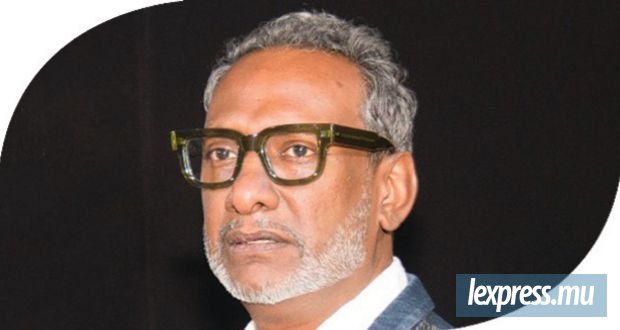
Eyes opened wide, jaws dropped and throat lumped in the dimly lit lecture theatre of the university of Mauritius. Members of the Mauritian Diaspora who made the trip back home for their first symposium swayed from disbelief to high hopes when top consultant Maurice Lam painted the future of Mauritius.
So bright that it dazzled the audience. Economist Chandan Jankee said jokingly afterwards: «The first thing I will do when I return home is to unpack my luggage and forget about going abroad to look for a brighter future for me and my family?.
Maurice Lam, consultant working both in Singapore and New-York, used a polychromatic palette to paint Mauritius as a global and industrialised nation by 2010. He paints that Mauritius as ?a fun place to live, to do business, to rejuvenate physically, mentally, economically and spiritually.?
Says Maurice Lam : ?people of Mauritius are versatile, open and welcoming to people from everywhere, and more importantly know how to live in harmony by finding the right mix of give and take in a multiracial, cultural and religious society. I believe that all the stakeholders ? the population at large, the political and business leaders and the trading partners of Mauritius ? will take the actions necessary to transform our uniquely positioned country into a nation well plugged in the global economy while retaining at the same time, the unique identity of being Mauritian?..
So the bright future he predicts would only come through actions to be taken not only by ?political and business leaders?, but also by the ?population at large?.
What are these actions? Members of the Diaspora present in the overcrowded lecture theatre drank in the words of Maurice Lam and have memorised his main proposals.
Development of tertiary education to accommodate around 50 000 foreign students in centres of excellence for studies in Mauritius. This would earn the country foreign courency.
Development of hospitals and clinics for high tech as well as traditional medicine for well-off foreign businessmen, further development of the Integrated Resort Scheme to provide these foreign billionaires with luxury villas, development of our financial centres so that Chinese capital is recycled in Mauritius to be invested in African countries.
?People of Mauritius of versatile, open and welcoming, and more importantly know how to live in harmony by finding the right mix of give and take in a multiracial society.?
Development of Mauritus as a platform for raw material from Africa to India and China and finished goods form China and India to Africa.
Further development of our sea food hub to become a clearing house for all sea food from the southern hemisphere with buyers from all over the world, linked via the Internet, buying both in cash market and futures market.
China and India will be key players in the development of the island, predicts Maurice Lam. ?The comprehensive economic and cooperation agreement with India will evolve into a Free Trade Agreement. China will also sign an FTA with Mauritius. Both countries will become the main trading partners of Mauritius, in terms of goods and services. We therefore will see investments flow into Mauritius to primarily serve the Indian market in areas of education, hospitality and financial services. Once a critical mass has been reached, in certain sectors like education, Mauritius then becomes a global player in the education industry, attracting students from all over the world?, says Maurice Lam.
This international consultant, appointed chairman of the Board of Investment by the present government has the ear of the minister of Finance Rama Sithanen. His vision of the Mauritius of tomorrow as a global partner and industrialised island is nevertheless fiercely opposed by many economists.
Dr Chandan Jankee, an economist working formerly at the Bank of Mauritius and now lecturer at the university of Mauritius says that the development proposed by Maurice Lam has no social aspect. That this type of development might not percolate down to the ordinary people, as the development of the textile sector did. To his opponents, Maurice Lam has an answer : ?let the people choose the type of development they want?.
Publicité
Publicité
Les plus récents