Publicité
Interview of…
Ranjita Bunwaree : “We cannot create patriotism without teaching our history”
Par

Partager cet article
Interview of…
Ranjita Bunwaree : “We cannot create patriotism without teaching our history”
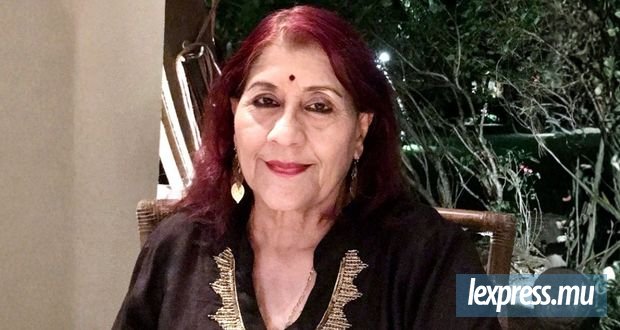
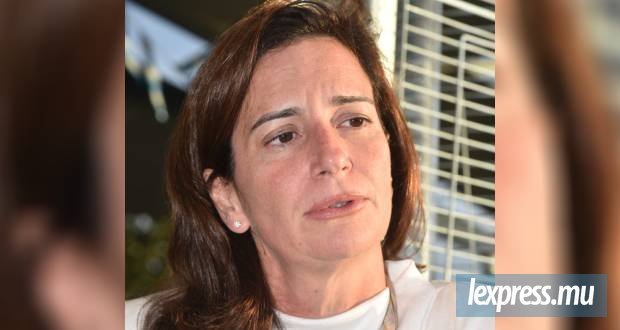
Ranjita Bunwaree, CSK, Chairperson, Organisation for Diaspora Initiatives.
“We need to keep our rich heritage, but we need to think as Mauritian first.” This is the message of Ranjita Bunwaree, CSK, Chairperson of the Organisation for Diaspora Initiatives (ODI). Ahead of ODI’s forum on 29 August, she discusses the preservation of historical monuments, the transmission of history to younger generations and the need for greater State support for cultural heritage.
⚫ ODI is organising a forum on 29 August under the theme “Our Heritage – Historical Monuments and Sites”. Why did you choose to focus on historical monuments and sites this year?
I always felt mesmerized by the multiracial society of Mauritius, where different cultures exist side by side. The French and the British ruled the island for a long period and left many monuments and sites of historical importance.
Then the diasporas from different countries started building monuments related to their culture, like churches, pagodas, temples and mosques, all with unique architecture, thus making Mauritius a showcase of a variety of monuments built in different periods of time.
Also, I find places like our Central Market and China Town very unique to our culture, with our local colors. I felt that there has not been much awareness about such valuable monuments and sites among our compatriots. So, I thought of organizing this Cultural Forum.
⚫ What is your assessment today of the preservation of historical monuments and sites linked to the different diasporas in Mauritius?
The preservation of these monuments is expensive and can be done only by government bodies. I feel that sufficient funds should be made available to preserve these monuments and sites.
⚫ In your view, are some elements of this heritage at risk of disappearing or insufficiently valued?
I think our monuments are neglected in terms of renovation and maintenance in spite of their historical value. For example, the Citadel should have been one of the prime monuments. It should have been a very lively place, with beautiful gardens, exhibitions of books, paintings, etc. related to our history, restaurants with our local delicacies – a place for family outings and for our tourists. We could even have regular weekend Sound and Light Shows of our history during the tourist seasons.
It is sad that a historical place like the Port Louis Theatre had been left abandoned for years. I still remember watching plays, etc. in this theatre and was impressed by the fine European artwork. I hope it is soon restored to its original state.
We must realize that the tourists of our days want more than sea and sun. They want to explore the history and the culture of the country that they visit. I think it would be a good idea to propose to our hotels and travel agents to include certain monuments and sites as tourist attraction spots.
⚫ Mauritius was built through several waves of migration, notably from India, Africa, Europe and China. How can this shared history be better passed on to younger generations?
We cannot create patriotism in our young generation without making them learn our history. The school books should include our monuments and sites related to a particular period when they were built. We know that our island was based on sugar cane plantations and that slaves from Africa and indentured laborers from India were brought to work on the plantations. But how many of our students, or even ourselves, have visited the old sugar factories that are around the island? Are they open to the public for visits?
I recommend that every school should have regular excursions to visit our monuments and sites. I feel grade 7 or 8 students would be appropriate, as they are old enough to learn history and they are not under high academic pressure. I strongly recommend that visits to Aapravasi Ghat, the International Slavery Museum, the Blue Penny Museum, the Citadel, the Museum at Mahébourg, and more, should be included in their school programme.
⚫ ODI focuses particularly on the Indian diaspora while adopting a multicultural approach. What place does the Indian diaspora occupy today in the construction of Mauritian identity?
It is true that a great number of our diasporas came from India, including people from Bihar, Uttar Pradesh, Tamil Nadu, Andhra Pradesh and Maharashtra, and they all brought their culture and heritage with them. While respecting and recognizing the contribution of all the components, I think there is only one identity for us – Mauritian.
Like India has great diversity, but each Indian is proud to be Indian first. We need to keep our rich heritage, but we need to think as Mauritian first.
⚫ After nearly twenty years of existence of the Organisation for Diaspora Initiatives, what assessment do you make of its work, and what concrete progress have you observed in the research and promotion of the history of diasporas?
Our Organisation for Diaspora Initiatives was founded by the late Chit Dukhira, a well-known historian, with the objective of promoting the culture of each of our diasporas. I, being the Chairperson after him, have been continuing the work in the same direction. Since I took up the responsibility of Chairperson, we have been organizing cultural heritage conferences of different diasporas, like Muslim, Tamil, Chinese, etc. Also, we have organized conferences on our intangible heritage recognized by Unesco, like geet gawai, sega music and drums.
However, I would like to mention that we are a cultural association and we receive no funds from anywhere. Our members contribute to our activities. I sincerely feel that the Ministry of Arts and Culture should have separate funds available to promote cultural activities, not only artists. As the religious bodies receive grants, cultural associations should also receive grants for activities to promote our culture, literature and heritage.
⚫ Beyond this forum, what measures would you like to see implemented by the State, the National Heritage Fund and cultural institutions to better protect, restore and promote awareness of Mauritius’ historical heritage?
Of course, I will again mention funding. Without funding separately allocated in our National Budget only for protecting and renovating our monuments and sites, nothing is possible, as everything costs.
Publicité
Publicité
Les plus récents