Publicité
Police quiz eleven suspects in London bomb probe
Par

Partager cet article
Police quiz eleven suspects in London bomb probe

Police believe they have captured all four men they were hunting over the July 21 botched bombings on three underground trains and a bus, which came exactly two weeks after four bombers killed themselves and 52 people in similar attacks.
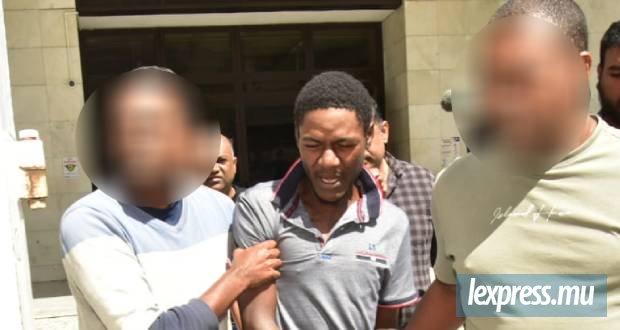
After an international manhunt for suspected Islamist militants which culminated in a swoop on a housing estate in west London on Friday, three of the men are in custody in Britain and the fourth in Rome.
Italian authorities started preliminary extradition proceedings on Saturday against Osman Hussain, arrested in Rome on Friday.
Britain?s junior Interior Minister Hazel Blears told Sky TV: ?Where people are fomenting terrorism in this country we are going to take action. We will pursue people intensively to make sure they come to justice.?
The British government is working on new anti-terrorism laws. Police say they are still looking for anyone who may have helped the bombers and have a total of 11 suspects in custody.
British media reported fears of a fresh attack on London and said police and security forces were trying to track down a possible command structure behind the bombers.
<B>Identify the command structure</B>
The Sunday Times, citing security sources, reported that a third cell of Islamist militants was planning multiple suicide bomb attacks on ?soft? targets in central London.
Security experts described the pyramid structure of al Qaeda to other newspapers. ?If you see the two groups of bombers as two separate teams of foot soldiers on the very bottom, then there is a possibility they are linked by the command structure in the level above,? a security source told The Observer. ?This is the level we are trying to identify and track down,? the source said.
<B>Existence of further cells</B>
The News of the World reported that it had handed fake passports and forged documents to the police which it said it found in a bag near Heathrow airport. The paper said the haul pointed to the existence of further cells. ?The documents are now being assessed by detectives from the anti-terrorist branch,? said a police spokesman.
A Zambian intelligence source said in Lusaka on Saturday the authorities had signed a deportation order for suspected British militant Haroon Rashid Aswad, who would be handed over to Britain once formalities were completed.
British police say they would like to question him but say he is not a priority in the investigation into the London bombings.
The British government is treading carefully to ensure it does not antagonise the country?s Muslim communities.
Ministers are launching a series of meetings over the coming months with community leaders to try to tackle the roots of Muslim radicalism.
Madeline CHAMBERS
 |
PREVENTIVE MEASURES
Italian MPs approve anti-terror package
■ Italy?s Parliament on Saturday gave final approval to measures that would give the state greater powers to combat terrorism as the government renewed warnings that Italy faced a «grave threat» of attacks. The package makes it easier for police to detain and deport suspects, increases penalties for terrorism-related crimes and gives the green light for greater surveillance of Internet and telephone traffic. ?We have before us a grave threat that must be faced with all the means of prevention and opposition that we have, and that we can acquire through this package,? Interior Minister Giuseppe Pisanu told Parliament. He was addressing the Chamber of Deputies before a marathon voting session to ensure the laws were approved this weekend before summer recess. Italy has not been attacked by Islamic militants on its home soil, but after two series of deadly bombings in July on London and then the Egyptian resort Sharm el-Sheikh, most Italians fear it is just a matter of time before they are hit. Italy, like Britain, is a close ally of Washington and has sent 3,000 troops to Iraq. Officials have boosted security on Italy?s transport system, but menacing Internet messages and a series of false threats have left Italians jittery. The new anti-terror measures were drawn up after the London attacks and were approved by prime minister Silvio Berlusconi?s coalition in a decree last week, but they needed parliament?s backing to keep them in force. Among measures are new laws expanding the definitions of terrorist training and recruiting and making it illegal to prepare explosives that are then used in attacks or to train people how to use them. Police will be able to hold detainees up to 24 hours to confirm their identity, instead of 12, and will be allowed to take saliva samples for DNA tests from suspects under investigation. Previously, DNA tests could only be taken after charges had been brought. The measures make it easier for police to monitor telephones and the Internet and deport foreigners considered a threat to security and allows them to grant residence to illegal immigrants who collaborate with investigators.
Publicité
Publicité
Les plus récents